
Sponsorship & U.S. Market Strategy
Sponsoring an International Soccer Club
Audience fit, usable rights and a complete delivery plan: what makes an international club sponsorship worth considering.
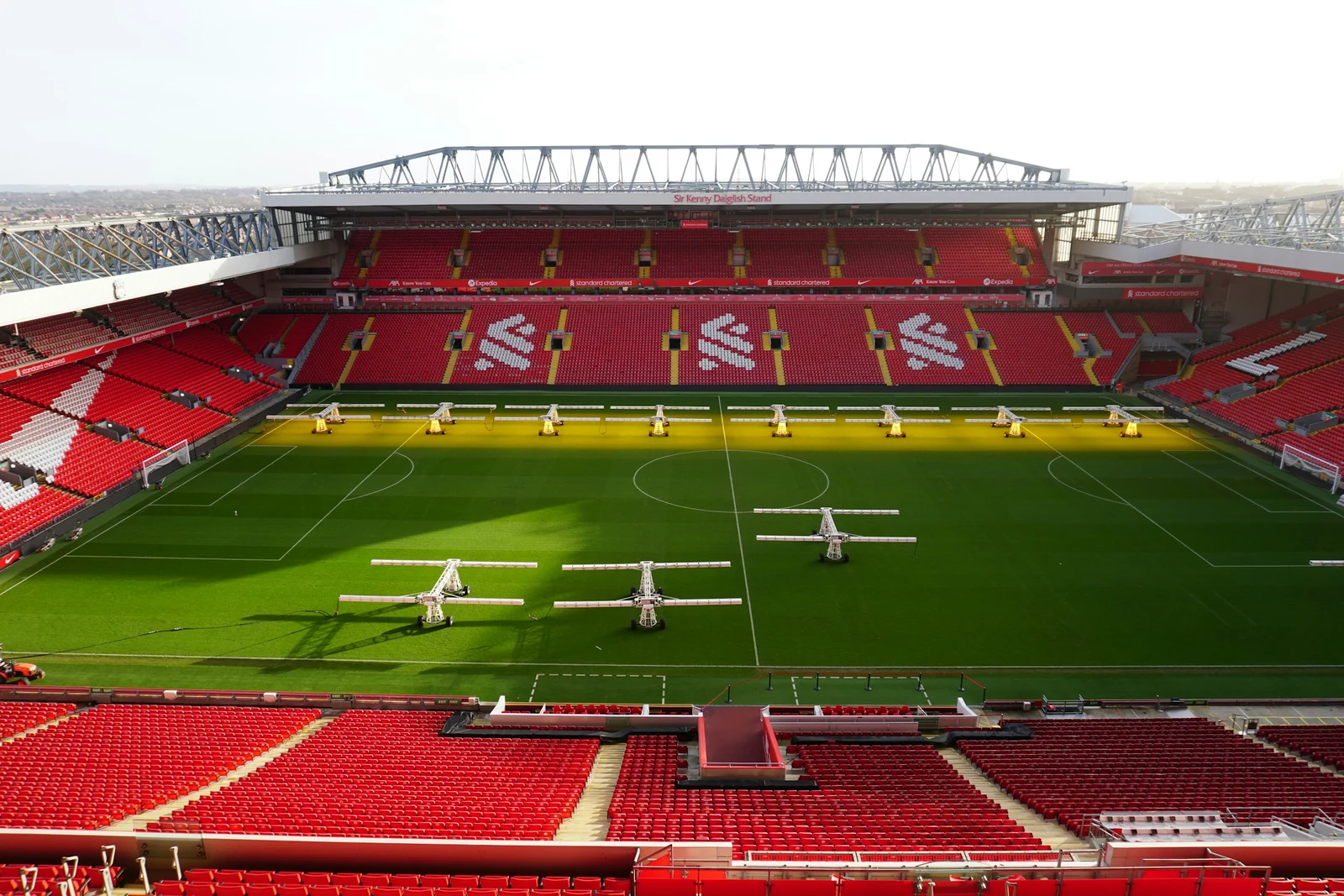
An international soccer club can have a compelling history, passionate supporters and a substantial global following—and still struggle to explain why a particular American company should become a sponsor.
The missing piece may be the connection between the club's offer and the company's business.
“We want a U.S. partner” describes the club's ambition. It does not explain what the prospective sponsor would gain, which customers it would reach or how the partnership would operate.
A stronger proposal answers those questions before presenting the inventory. That starts with deciding what kind of buyer the club is approaching.
Decide what the sponsor is buying
A company headquartered in the United States may want international exposure. Its U.S. marketing team may instead need to reach customers in a few American cities. Those are different briefs, even if the same company appears on the prospect list.
Establish who owns the decision, which geography their budget covers and what they need to accomplish. A global sponsorship team, a regional sales organization and a local distributor may have different priorities and approval processes.
The club should be able to complete a simple sentence:
“This partnership helps this business reach these customers, through this activity, in this place.”
If the sentence depends on broad phrases such as “brand awareness” or “the American opportunity,” keep working. Specify what the audience would see or do, and why the club is a useful way to reach it.
A U.S. sponsor seeking customers in the club's home country may value local visibility there. A sponsor seeking American customers needs a credible route to those customers. Do not force both into the same U.S. activation package.
Build an audience case the buyer can examine
Start with the audience relevant to the assignment, rather than the largest number in the club's presentation.
For a U.S. campaign, assemble an evidence sheet covering the available American audience: geography, recent activity, relevant interests and the channels through which the club can reach people. Record the source, measurement period and limitations beside each figure.
Keep different measures separate. A global follower total is not a U.S. audience estimate. An account reached is not necessarily a person. A content view does not establish that someone will attend an event, join a program or buy a product.
Useful evidence might include first-party content performance by country, appropriately aggregated customer geography, repeat participation in local programs, or research about the club's following. Each source answers a different question. Merchandise buyers, survey respondents and social viewers should not be combined into a single unduplicated fan count without a defensible method.
If a platform cannot provide the requested geographic breakdown, label the gap. A small survey with a clear method can inform a discussion, but its respondents should not be presented as representative of every U.S. supporter.
The purpose is to show what is known, what remains an estimate and what a first campaign would need to test.
Give the brand a useful role
A list of logos, posts and tickets describes assets. The proposal also needs to explain the experience those assets make possible.
Consider a hypothetical international club approaching a regional retailer that wants more relevant store visits. A global social announcement would not, by itself, explain how the retailer benefits locally. A more useful concept might connect club content to a voluntary in-store experience in the retailer's operating area, with agreed promotion and an offer that can be tracked.
That concept is only viable if the club can reach suitable local customers, the retailer can deliver the experience and the necessary permissions are available. If those conditions are absent, the club should change the proposal or stop pursuing that buyer.
This is a planning example, not an SGN case or a promise of sales. Its point is to make the sponsor's role concrete: what does it contribute, what does the audience receive, and what action is the investment intended to support?
The same discipline applies to a business audience. A client program needs relevant invitees and a reason for them to participate. A product demonstration needs an appropriate use case and access to the people who evaluate it. Neither follows automatically from a club's popularity.
Before presenting the fee, compare the offer with the buyer’s practical alternatives: a local media campaign, a domestic sports partnership or a program the brand produces itself. Identify what the club adds that matters to this brief—such as a relevant community, a distinctive content opportunity or access the buyer could not otherwise arrange. If the proposal offers only general exposure, explain why that exposure is worth buying at the complete campaign cost.
Offer access you can deliver
Before putting an asset in a proposal, identify who controls it and what approvals are required.
Separate club-controlled channels and materials from player participation, match footage, competition branding, venue access and third-party distribution. Confirm the actual permission available for each proposed use rather than assuming one agreement covers the whole campaign.
For the commercial team, a useful working list has three categories: confirmed for the proposed scope, subject to a named approval, and unavailable. The buyer should be able to see which parts of the concept depend on further decisions.
Be equally specific about geography and duration. A description such as “official partner” needs an agreed scope. A U.S. program should not imply broader exclusivity or rights that have not been established.
Supporter relationships deserve the same care. A recognized group is not automatically an event producer, a distribution channel or a source of sponsor contact data. Agree its contribution directly and fund any professional delivery the program requires.
Show the complete delivery budget
The sponsor needs to understand the cost of using the partnership as well as the cost of acquiring it.
Present the rights fee separately from the proposed activation budget. Identify production, local staffing, venues, travel, content adaptation, distribution, measurement and contingency where relevant. Mark estimates, exclusions and unconfirmed third-party costs clearly.
Then assign the work. Who approves creative? Who produces the content? Who manages a change in the schedule? Who answers the buyer during U.S. working hours? Who provides the final evidence of delivery?
Cross-border coordination belongs in the plan. So do practical dependencies such as confirmed travel, venue bookings and production windows. If an appearance or U.S. visit is not secured, present it as an option rather than the foundation of the offer.
A smaller package with workable responsibilities may be easier to evaluate than an ambitious one that leaves the sponsor to assemble the operation. The club should still examine whether that smaller scope covers its own delivery costs and commercial commitments.
Make the proposal easy to evaluate
A concise decision document can lead the discussion, with detailed evidence and inventory available behind it.
| Buyer question | What the club should provide |
|---|---|
| Why this partnership? | A specific business objective and a clear reason the club fits it. |
| Which customers can it reach? | Relevant audience evidence, geography, dates and limitations. |
| What can we commission? | Defined activities, permissions, deliverables and dependencies. |
| What will it cost to use? | Rights fee, activation costs, exclusions and accountable delivery teams. |
| How will we judge it? | Agreed delivery measures, audience response and a review decision. |
Where the audience case is promising but incomplete, propose a bounded test. Define its duration, spending limit, responsibilities and the decision it will inform. A pilot should be useful on its own; it should not require the sponsor to commit to an unproven national expansion.
Agree what will be measured before launch. Keep promised delivery separate from audience response and business results. Content can be delivered as contracted without generating the expected engagement. Strong attendance can coexist with weak customer fit.
If sales are tracked, specify how the team will distinguish observed purchases from evidence that the sponsorship caused them. Missing measurement is an uncertainty to resolve, not proof of either success or failure.
Know when to pause the pitch
Some proposals need more preparation before they need more prospects.
Pause if the club cannot establish relevant audience access, confirm essential rights or identify a funded delivery team. Also pause if the likely buyer has no practical use for the assets within its geography, timing or budget.
The next assignment may be an audience assessment, a narrower commercial offer or a local operating plan. Completing that work can produce a more credible conversation than adding another page of global statistics.
SGN's sponsorship and partnership services can support an opportunity assessment, a partner proposal and an activation plan within an agreed scope. To discuss a U.S. sponsor proposition, share the club, the intended buyer, target customers, available rights, timing and the evidence already in hand. SGN can review the brief and propose the appropriate consulting work.
SGN VIEW
Build the sponsorship around a relevant customer, usable access and a delivery plan both parties can support.