
Brand Activation & Events
Brand Activation Through Soccer
How brands can engage people through soccer activities, live events and player appearances, and what it takes to deliver the experience.
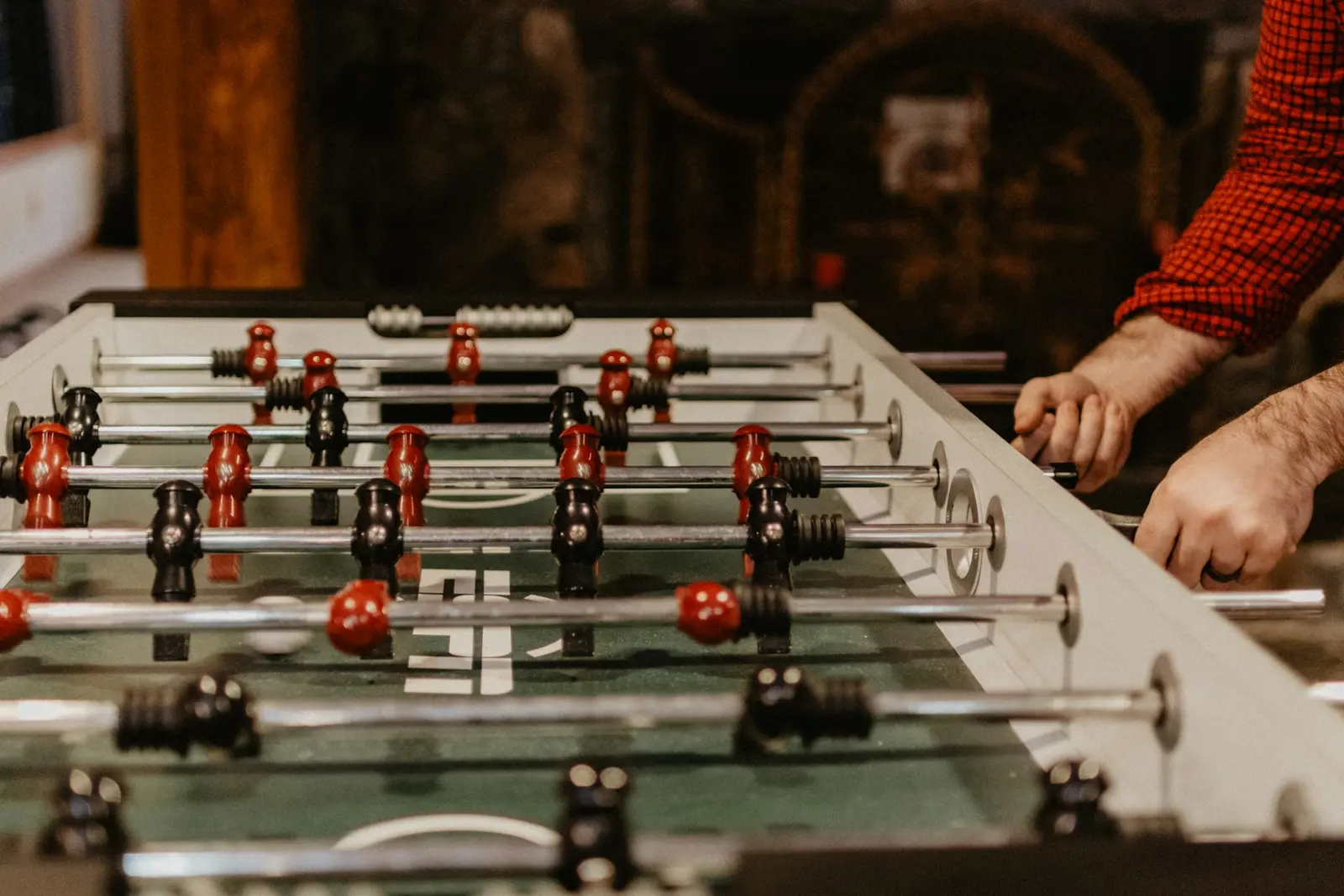
A brand can use soccer to give customers, guests or fans something to take part in: a skills challenge, a casual game, a hosted conversation or a player appearance. This is brand activation through soccer. The company might have no existing connection to the sport; its role is to host or support an experience that makes sense for its audience.
The practical question is what happens after someone arrives. A striking entrance and a recognizable soccer name can create interest. The activity, the hosting and the attention given to each guest determine what that interest becomes.
Give people a clear invitation
The experience should be easy to explain: try a passing challenge, join a table-soccer game or hear a player discuss a memorable match. Guests should know what they can do, how long it will take and whether they need any playing ability.
A competitive challenge may suit people who want to test themselves. A casual game can give friends and colleagues something to enjoy together. A hosted conversation offers a different kind of participation, especially when the audience can contribute questions.
These formats do not all belong in every event. A compact experience with one well-run activity can be more useful than a large space filled with attractions that compete for attention. Choose the main activity first, then add elements that improve it.
Make room for different kinds of fans
Some guests will want to play. Others will prefer to watch, talk or take a photograph. Designing for that range lets people enjoy the occasion without feeling that soccer knowledge or physical ability is an entry requirement.
For a skills activity, that might mean a simple first attempt followed by an optional harder challenge. For a reception, it might mean a social game alongside seating and a short hosted program. A demonstration can be enjoyable for spectators if they can see and hear what is happening.
The physical layout matters as much as the program. Plan accessible routes, room for companions and a comfortable place to pause. Position activities so that spectators can enjoy them without blocking the people waiting to participate.
Give the brand a useful role
Branding identifies who made the experience possible. The activity gives people a reason to care.
A company could host a free play session, provide a place for guests to gather or commission a conversation with a soccer personality. Where a product genuinely fits, a demonstration or trial can become part of the experience. Where it does not, thoughtful hosting can provide the connection without forcing a product into every activity.
The brand’s contribution should be apparent in the welcome, the program and the surroundings. Repeating a logo on every surface does not explain that contribution. Nor should a guest need to sit through an unrelated presentation before enjoying the soccer activity they came for.
Design the visit from arrival to departure
Consider an illustrative evening reception built around soccer. This is a planning example, not an SGN client case.
Guests arrive, receive a brief welcome and can join a table-soccer game or settle into a seating area. A host introduces a scheduled conversation with a former player, if that participation has been agreed. The conversation includes questions from guests. Casual play continues afterward, and guests who want a photograph use a separate, clearly managed area. Any player photo session would need to be included in the agreed appearance program.
Each part has a purpose. The game gives people an easy way to join in. Seating makes the evening comfortable for guests who prefer conversation. The scheduled program brings the group together. A separate photo area prevents one activity from taking over the room.
The same attention applies to a public activation. People should be able to see where to enter, understand the activity and leave without crossing the next group’s path. If one station is busy, the team needs a useful alternative or a clear explanation of the wait. An elaborate concept loses its appeal if most of the visit is spent standing in line.
Make talent part of the experience
A player’s contribution should be specific. Demonstrating a technique, joining a short challenge, answering questions or greeting guests creates a different experience from simply appearing on a stage.
The format needs to fit the agreed appearance time and the number of people the activity can accommodate. A small-group interaction offers a different level of contact from a presentation to a room. Neither should be described as personal access for every attendee unless that is actually part of the program.
An appearance also differs from an endorsement. Participating in an event does not automatically include recommending a product, posting on the player’s account or appearing in the brand’s advertising. Decide which contribution the experience needs and agree any filming and later campaign use separately.
Understand what production adds
A concept describes the intended experience. Production makes it possible for guests to have it consistently.
A passing challenge needs suitable equipment, a safe playing area, a demonstration and a way to reset between participants. A conversation needs a host, sound that reaches the audience and a schedule that allows guests to gather. A photo opportunity needs appropriate lighting and someone to manage the interaction and delivery of images.
For the buyer, the agreed deliverables should make that work visible: the activity design, layout, program schedule, staffing roles, equipment and technical requirements. The team also needs time to install and rehearse, plus a practical response to weather or equipment problems where relevant.
Concept development, talent, venue rental, equipment, catering, filming and on-site management may be commissioned together or separately. A sponsorship agreement may supply some rights or inventory, but producing the activation remains a separate scope to establish. The useful distinction is between what has been secured and what still needs to be built, staffed or delivered.
Look for benefits the experience can actually provide
A well-designed program can give a brand time with an interested audience, make its role more familiar and create a positive shared memory. It can support product discovery when trial is relevant, or provide guests with a welcome occasion to spend time together. Agreed photography and filming may also create material for later communication.
Assess those benefits through the experience itself: how many people participated, whether they could use the activities as intended, what guests enjoyed and whether they understood the brand’s role. Participation and favorable feedback are useful evidence, but they do not establish a sales result on their own.
The central test is straightforward. Can the buyer explain what guests will do, why they will enjoy it and how the brand contributes? When those answers are clear, the production plan has something concrete to deliver.
SGN supports soccer campaign and event concepts, planning and agreed delivery coordination. To discuss a soccer activation, share the occasion, intended guests, location and timing through SGN’s campaign and event inquiry.
SGN VIEW
Give people a clear activity, make the brand’s contribution useful and plan the production around the guest experience.