
Hospitality & Corporate Experiences
Is Soccer Hospitality Worth the Price?
A practical comparison of tournament packages, MLS hospitality and European club trips—and what the premium actually buys.
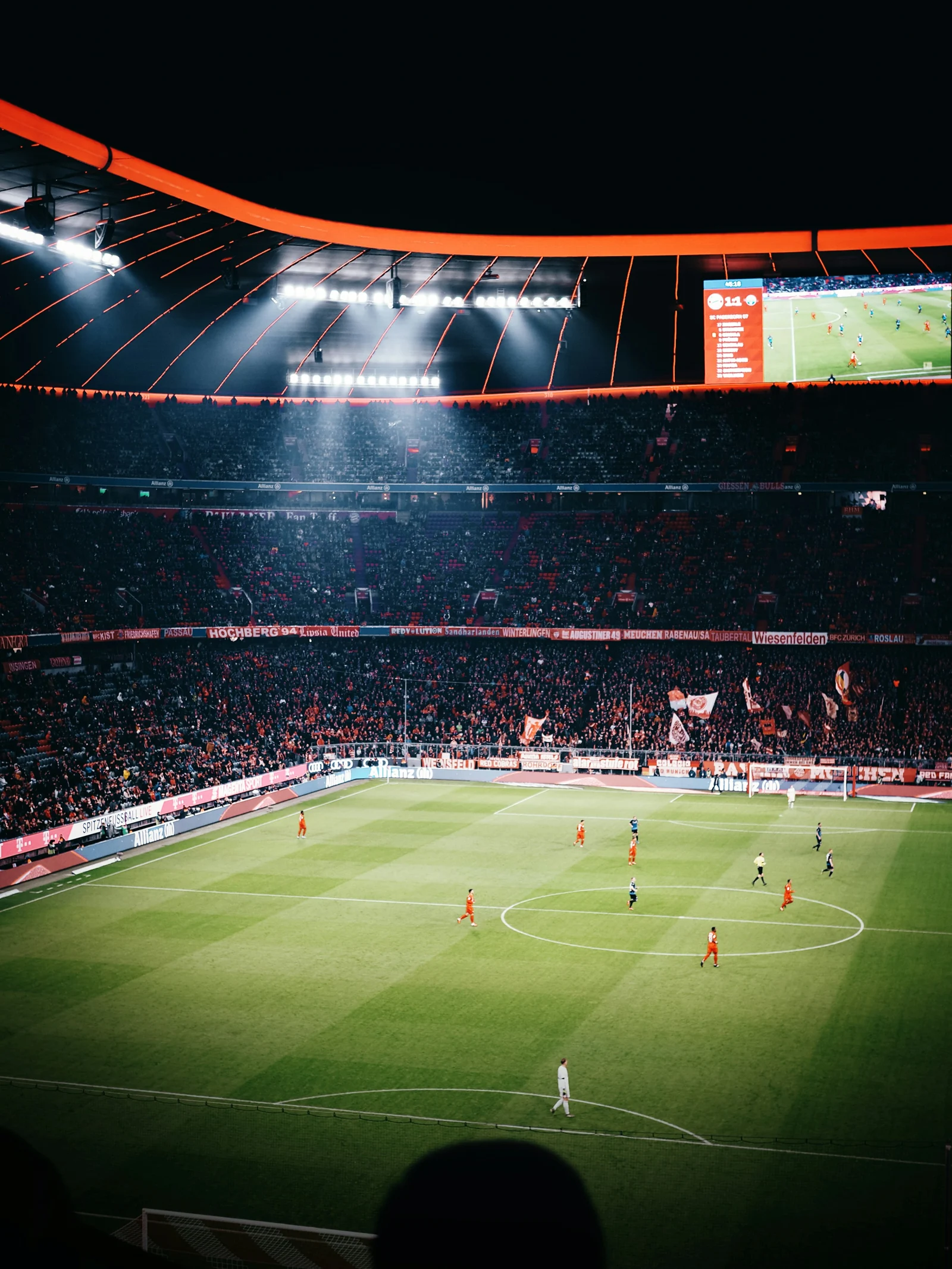
For a brand or corporate marketing team, the useful question is: what does the additional spending allow us to do for these particular guests?
A private space might make a small client group easier to host. A shared lounge might provide convenient food and drinks but little opportunity for a focused conversation. An overseas match might be a compelling invitation for a committed supporter and an inconvenient trip for someone else. The package needs to fit the guest list and the purpose.
Compare two complete plans
Put the hospitality proposal beside a realistic alternative: match tickets, a reserved restaurant or meeting space, transportation and someone responsible for the guests. Compare the same fixture and group size. Where possible, compare similar seat locations and the ability to sit together.
The alternative must actually be obtainable through an appropriate sales channel. A published face value is not proof that your group could buy adjacent seats at that price. A resale listing is an asking price, not a completed transaction or a guarantee of usable tickets. A hospitality starting price is not a quote for your chosen match.
Ask both suppliers to specify what is confirmed, what is provisional and when the offer expires. Then compare these items:
| Decision | What the buyer needs to know |
|---|---|
| Match access | Fixture, seat location, group adjacency, ticket delivery and permitted transfer arrangements |
| Hosting space | Private or shared; inside or outside the stadium; walking distance and opening hours |
| Food and drinks | Included service, timing, dietary provision and charges for extras |
| Useful time together | When guests and hosts can realistically talk, rather than queue, walk or watch the match |
| Full commitment | Taxes, fees, minimum purchases, host seats, transport, accommodation and staffing |
| Changes | Cancellation, postponement, guest substitution and unused-place terms |
A more expensive plan may remove significant coordination work. It may also leave that work with your team. The written scope should make the difference visible.
EURO 2024: the price gap was real, but not a like-for-like premium
UEFA's original EURO 2024 ticket-price schedule listed a Category 1 group-stage ticket at €200. SPORTFIVE's October 2023 hospitality price list advertised Club Lounge places for selected single group-stage matches from €1,250 per person, excluding applicable VAT.
Those figures establish different spending levels, not the price of upgrading an identical seat. The hospitality list excluded the opening match, final and Germany matches from its single-match offer, and did not guarantee availability. Neither schedule proves what a particular corporate buyer could obtain.
The lesson is to price the usable alternative. Before accepting the higher commitment, identify which access, hosting or convenience benefits matter to your group—and which could be arranged separately.
World Cup 2026: assess the purchase that was actually available
For a retrospective World Cup review, start with the invoice, purchase date, package terms and attendance record. Do not compare the amount paid months ahead with a different product offered later and call the difference waste.
FIFA's December 2025 $60 ticket announcement concerned a restricted supporter allocation distributed through participating national associations. It was not an unrestricted corporate alternative to hospitality.
Product details mattered too. FIFA's July 2025 hospitality release described the FIFA Pavilion as outside the stadium, with service before and after the match. A buyer wanting an in-stadium setting needed to check the specific product rather than rely on the word “hospitality.”
After an event, ask whether the expected guests attended, how much time hosts spent with them, whether the experience matched the promise and what follow-up occurred. Keep documented relationship progress separate from revenue you cannot reasonably attribute to the outing. There is no defensible universal return on a World Cup hospitality purchase.
Local MLS hospitality: look at the group economics
A local match deserves a place in the comparison when the objective is recurring client contact rather than an international trip. It can be easier to fit into a guest's schedule, but that advantage should be checked with the actual invitees.
For a concrete product example, San Diego FC's Midfield Pitch Suites are offered on a nightly basis for groups of eight to 20, with food and a catered bar included in the ticket price. The page does not display a price; a quote is needed.
Ask whether the quote is a fixed suite commitment or a per-person charge, how host places count, and what happens if the group is smaller than expected. If a fixed-cost program serves eight client guests instead of ten, its cost per attending client is 25% higher. The view and menu have not changed; the economics have.
A smaller recurring program may fit your objective better than one major occasion. That is a planning choice, not evidence that MLS hospitality is always cheaper or more effective.
European club trips: the match is only one budget line
European club hospitality can start well below major-tournament package prices. Manchester City's 2026/27 hospitality announcement lists City Hall from £130 and Cross Bar from £190 for selected fixtures; the latter includes drinks packages. These are advertised starting points, not confirmed inventory or an all-in trip quotation. The announcement does not establish the tax treatment of those figures.
For a U.S. buyer, airfare, hotels, local transport, additional meals, host travel and the time commitment can outweigh the apparent saving on match access. Ask how the plan handles a changed match date before committing to inflexible travel.
Compare the full itinerary with what your guests actually want. A well-chosen club trip can offer a shared experience and substantial time together. It is a poor fit if travel reduces attendance or turns the invitation into an obligation. Obtain a separate fixture-specific proposal for each club; one club's starting price is not a European market average.
EURO 2028: current offers need current scrutiny
EURO 2028 is scheduled for June 9–July 9, 2028. UEFA has appointed BEYOND Hospitality as its official hospitality provider, and the provider is advertising packages for sale.
Its Club product starts at £900 and describes shared standing areas and communal tables, food and drinks, and service before and after the match. The area may be within or close to the stadium security perimeter. That description matters if your purpose requires privacy, a reserved table or halftime access.
Request the exact match, seating, total payable amount, tax treatment and access conditions. Do not turn the advertised starting price into a guaranteed group budget. Nor should the EURO 2024 euro-denominated schedule be treated as a forecast for a different tournament and currency.
Calculate the cost per guest who attends
Use one consistent calculation for both plans:
Total program cash cost ÷ attending external guests = cost per attending guest.
Include purchased tickets or packages, applicable taxes and fees, hosting space, meals, transportation, hotels, flights and paid staffing. Include the cost of host places in the numerator, but do not count staff as client guests in the denominator. Avoid counting food or transport twice when it is already included. Record internal staff time separately so the cash comparison does not hide the operational burden.
Before buying, run the calculation at full attendance and at a credible lower attendance level. Then calculate the difference between hospitality and the complete alternative. This shows the extra cost per guest that your decision needs to justify.
The nonfinancial test is equally important. Identify which relationships the program is intended to serve, why those guests would accept, who will host them and what useful next step should follow. Confirm the invitation fits both organizations' hospitality policies before committing funds. Do not assign a speculative sales value to every seat to make the arithmetic work.
Buy the hosting benefit you can explain
Hospitality is a stronger choice when the guests value the occasion, the space and schedule support the purpose, and the additional cost buys something your alternative cannot deliver as well. Tickets with separately arranged hosting may be better when they provide sufficient access and a more suitable place to spend time together.
The decision should survive a simple internal explanation: who is coming, what the complete program costs, what hospitality adds and how the team will judge whether the outing was useful.
SGN can help shape a corporate soccer hospitality program, including the guest schedule and agreed venue, supplier and on-site coordination. Bring SGN your guest count, preferred market or fixture and overall budget to discuss the support to commission. Match access remains subject to confirmed availability and terms.
SGN VIEW
Compare the complete cost per attending guest, then identify the hosting benefit that justifies paying more.