
Talent Booking & Event Planning
Planning a Soccer Autograph Session
Give guests a memorable encounter with a soccer personality, with a format and schedule your event team can deliver.
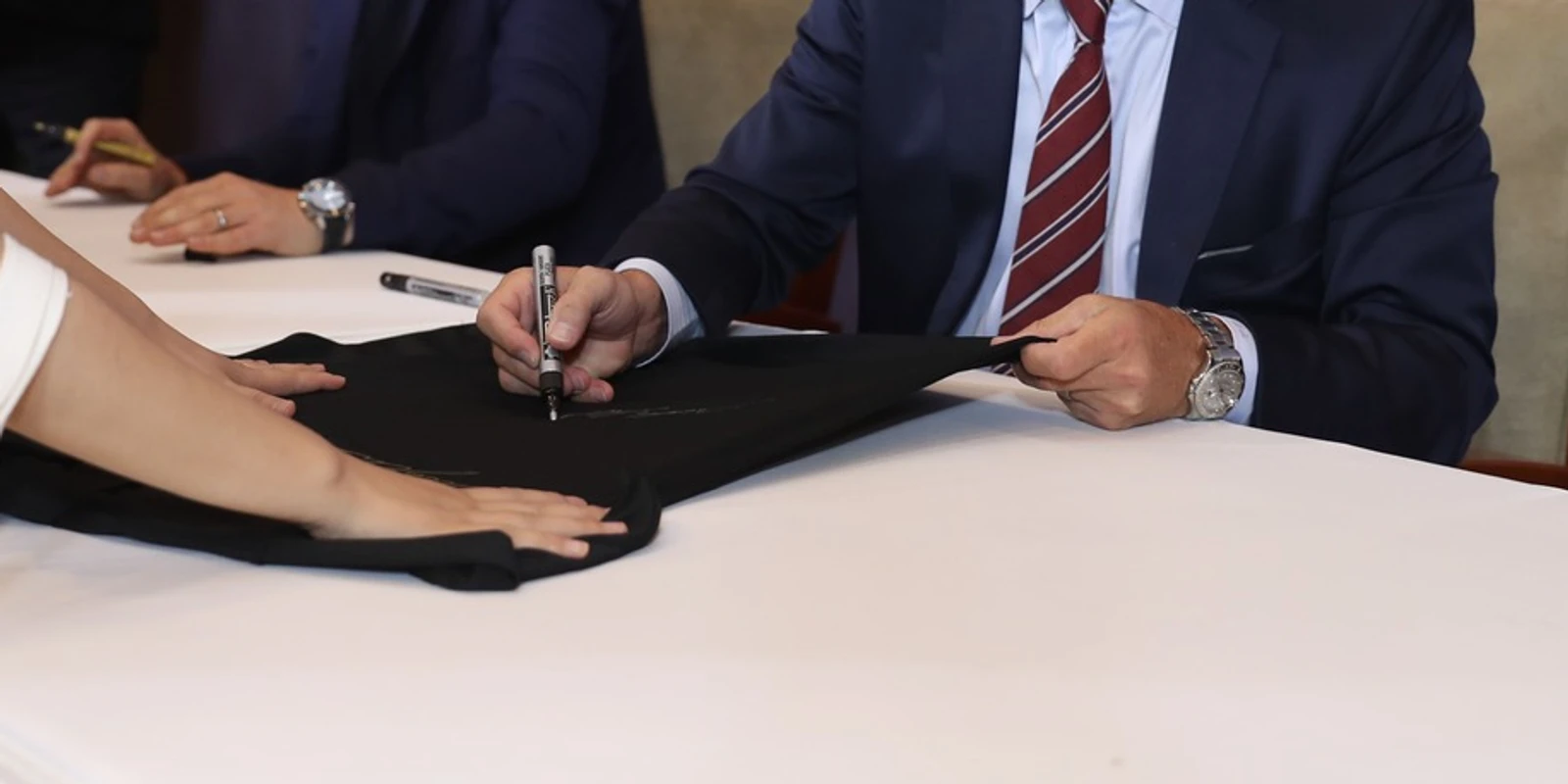
An autograph session can be a valuable part of a customer reception, employee event, sponsor activation, or hospitality program. It gives guests something personal to take away and a moment with someone they recognize.
The challenge is making the experience work within the talent’s available time.
A guest who reads “meet a soccer legend” may expect a conversation, a photograph, and a signed jersey. The organizer may have arranged only a short signing session. Both can leave disappointed even when the player fulfills the agreed booking.
For a brand or event organizer in the United States, the starting point is a clear promise: what will each participating guest receive, and what does the team need to deliver it?
Choose the experience before sending invitations
An autograph, a photograph, and a conversation take different amounts of time. Decide which activities matter to the event rather than including everything by default.
A company hosting selected customers might prefer a relaxed reception with a limited signing opportunity. A larger public activation may need a separate session with allocated places and a consistent format. If the main objective is a substantive conversation, a moderated appearance or smaller hospitality program may be a better starting point.
Define what is included: one signed item, a personal inscription, an individual photograph, or a group photograph. Also decide whether the organizer supplies the item or guests bring their own.
An invitation to the wider event should not imply a reserved place at the signing table unless one is actually included. Make that distinction clear at registration.
Work backward from the available time
The advertised length of an appearance is not necessarily the usable signing window. Introductions, movement between activities, agreed breaks, and departure arrangements can all occupy part of the schedule.
Confirm the working window with the talent’s authorized representative and the event team. Then run through the guest journey, including handing over the item and moving away from the table.
Here is a simple hypothetical example:
| Planning assumption | Time |
|---|---|
| Total appearance | 45 minutes |
| Other agreed activity and transitions | 15 minutes |
| Time left for signing | 30 minutes |
If each complete interaction took 45 seconds, 30 minutes would allow 40 interactions. That is arithmetic, not an industry signing rate or a recommendation to invite 40 people. Personal messages, photographs, assistance needs, and ordinary delays can change the result.
Test the actual format and leave room for variation before agreeing a guest limit. A plan that works only when nobody pauses is unlikely to feel like good hospitality.
Prepare the items before the guest reaches the table
A supplied photograph or card is easier to handle consistently than a mixture of jerseys, footballs, and personal memorabilia. Neither approach is automatically better; they simply require different preparation.
Agree on the permitted items, quantity per guest, and whether personalization is included. Tell guests in advance so staff do not have to negotiate those rules in the queue.
Have suitable markers available and test them on sample materials. Provide a clean signing surface and enough space to handle items without rushing. Jerseys should be unfolded and footballs ready to sign before the guest reaches the player.
If personal inscriptions are included, ask guests to write the name clearly on a card. This avoids repeated spelling checks and reduces the chance of an error on an item that matters to them.
Keep bulk merchandise signing separate from guest interaction. If the client also wants a batch of signed products, describe that additional assignment in the booking request rather than adding it at the end of the session.
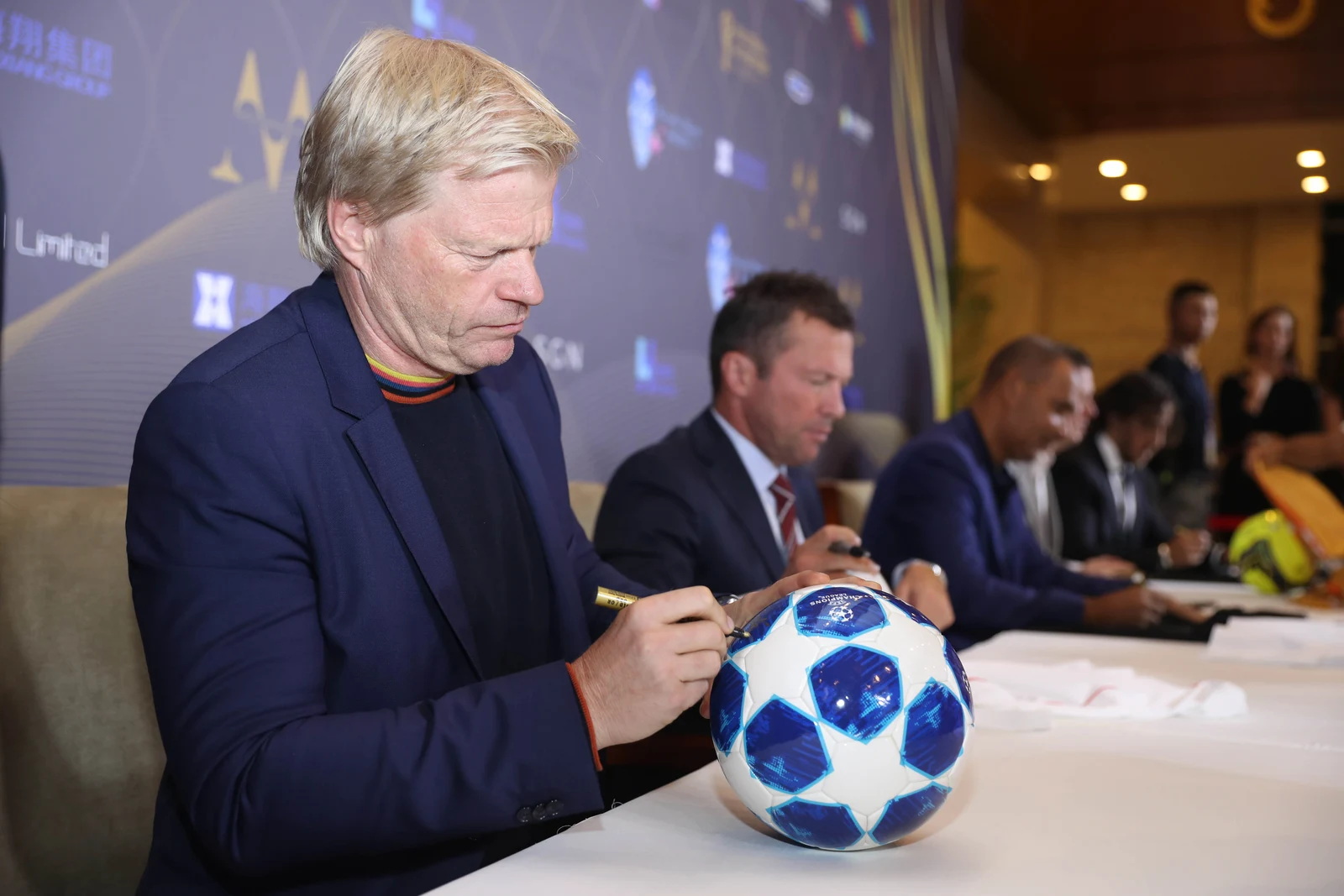
Give photographs their own plan
“Just one quick photo” can involve unlocking a phone, finding someone to hold it, arranging the group, and checking the result.
Decide whether photographs happen at the table or at a separate position. A designated photographer or staff member can provide consistency, but the arrangement still needs to fit the available time.
Explain whether companions can join a photograph, whether groups count as one appointment, and how guests will receive any professionally captured images. Make the instructions easy to understand before people reach the front of the line.
If the brand plans to use the photographs in advertising, confirm the necessary permissions separately. A guest photo opportunity does not automatically include campaign usage rights.
Make waiting comfortable and predictable
The guest experience begins at check-in. People should know where to go, whether they have a confirmed place, and what to prepare while waiting.
Walk through the layout with the venue and event team. Keep the waiting area clear of entrances, exits, and other activities. Allow room for companions and guests who need assistance, with a named staff member they can approach.
Timed arrival windows can help spread demand. They still need someone managing the line and responding when guests arrive early or miss their slot.
For a corporate audience, avoid using the entire reception as a holding area for the signing table. Guests who are not participating should still have a worthwhile event to enjoy.
Put one person in charge of the session
Assign a delivery lead who can coordinate the talent liaison, registration team, photographer, and venue. Staff should know who can approve a change and who will communicate it to guests.
Additional items and last-minute VIP requests use time that may already belong to someone else. Agree on how exceptions will be handled before a senior executive arrives with several extra jerseys.
The player should not have to resolve registration mistakes or explain the organizer’s rules while the line waits. Those are event-management responsibilities.
This is also where the agency’s scope needs to be clear. Securing the talent and running the guest experience are connected tasks, but responsibility for both should be assigned explicitly.
Keep the guest promise realistic
Before promoting the appearance, check that the invitation, registration page, booking agreement, and staff instructions describe the same session.
Confirm the number of places, included activities, item rules, and arrival instructions. Avoid suggesting an extended private conversation when the schedule allows a brief interaction.
Have a plan for a delayed start or a change in the appearance. Decide who informs guests and what alternatives the organizer can offer under the agreed terms. The aim is to respond clearly while the event team still has time to act.
Afterward, review whether guests received what was promised, where delays occurred, and what staff would change. Keep that delivery review separate from claims about sales or customer loyalty, which need their own evidence.
A memorable autograph session does not require an elaborate operation. It requires an appropriate format, a manageable number of guests, and a team ready to deliver what was agreed.
Plan your soccer talent appearance
SGN is an international soccer talent booking agency and strategic consulting partner for brands, agencies, and event organizers in the United States.
For an autograph session, customer reception, or promotional appearance, share your location, date or date range, expected guest count, and the activities you have in mind. We can discuss the booking and planning support your team needs.
Discuss your soccer talent appearance with SGN.
Availability and engagement terms require confirmation for the specific brief. An inquiry does not reserve talent.
SGN VIEW
Agree on the guest experience before promoting the appearance. A clear signing format, realistic guest limit, and prepared event team make the booking easier to deliver.