
Experiences
What Makes a Corporate Soccer Hospitality Program Commercially Valuable
How to design soccer hospitality around the guest, the relationship objective, and the full experience rather than tickets alone.
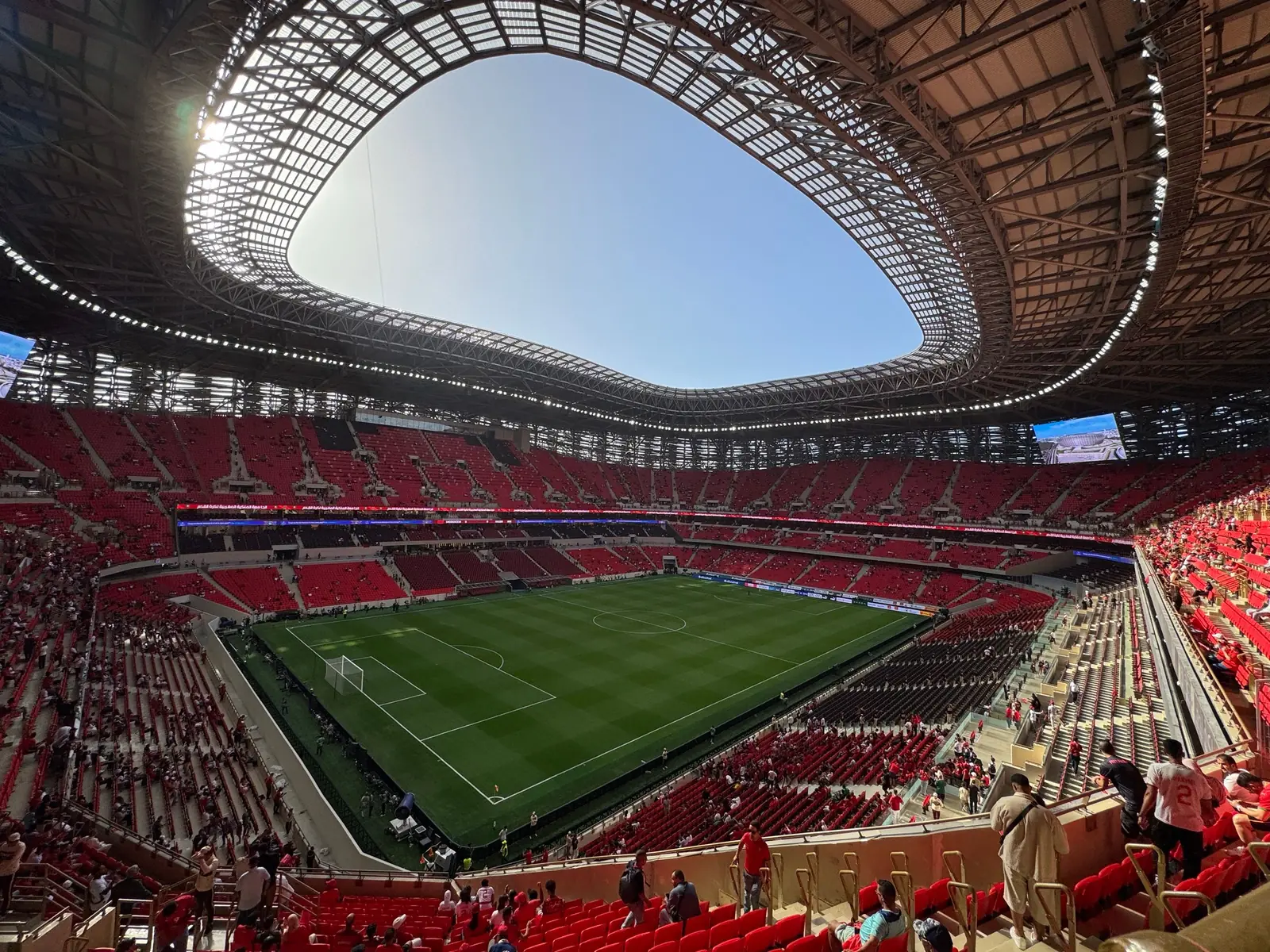
The ticket is not the program
A premium seat can be scarce, expensive, and memorable. It is still one component of the guest experience. Commercial value is created by the structure around it: who is invited, why the invitation matters, how hosts and guests spend time together, and what happens after the event.
When hospitality is managed as inventory, success is often defined by attendance. When it is managed as a relationship program, attendance is only the beginning. The program should help the organization create conversations, recognize important people, deepen trust, or move a business relationship forward in an appropriate way.
Define the relationship objective first
Different objectives require different formats. A senior client-development program may favor a small guest list, prepared executive hosts, and time for conversation. Employee recognition may need broader participation and a stronger shared moment. A partner summit may combine business content, local access, and the match across a full day.
The objective should guide the event choice, guest mix, group size, level of service, and amount of programmed time. It also determines how the organization evaluates the result. A full suite is not automatically better than a well-designed table, hosted gathering, or city program built for the right group.
Design from the guest backward
The guest experiences the program as one continuous journey. Registration, travel guidance, arrival, security, transportation, food, hosting, match access, departure, and follow-up all contribute to the impression. Operational friction in any one area can overshadow the premium elements elsewhere.
Invitation
Make the purpose, value, timing, and expectations clear from the beginning.
Preparation
Give hosts useful context about guests, relationships, and the desired outcome.
Arrival
Reduce uncertainty around transportation, access, timing, and points of contact.
Experience
Balance soccer, local character, service, and enough unforced time for conversation.
Follow-through
Capture relevant feedback and make the next relationship step easy and timely.
Use local context with purpose
For international guests or multi-city programs, the destination can add value beyond the match. Local soccer history, food, neighborhoods, training environments, supporter culture, or a carefully chosen speaker can give the program a sense of place. These elements should support the guest story rather than fill the schedule.
The best additions feel difficult to reproduce independently and natural to the host organization. Access matters, but relevance matters more. One well-framed local moment may create more conversation than a long itinerary of loosely connected premium activities.
Evaluate what happened after the event
Hospitality outcomes often develop over time, so the measurement plan should combine immediate and follow-up evidence. Useful indicators may include attendance quality, host participation, guest feedback, relationship progression, meetings created, partner response, employee recognition outcomes, and continuation into other business activity.
The review should also examine the operating experience. Which guest groups engaged most strongly? Where did friction appear? Did hosts have the information they needed? Which elements contributed to the objective, and which were expensive without adding much value? Those answers improve the next program and help the organization allocate future inventory more intelligently.
SGN VIEW
Commercial hospitality is not defined by how premium the ticket appears. It is defined by whether the complete experience helps the right people build a stronger relationship for a clear reason.